Buying your first home can feel exciting right up until the questions start piling up. How much house can you really afford in Nampa? What should you budget beyond the mortgage? And how do you compete without making a risky offer? If you are planning your first home purchase in Nampa, Idaho, this guide will walk you through the basics so you can move forward with more clarity and confidence. Let’s dive in.
Why Nampa Appeals to First-Time Buyers
Nampa gives many first-time buyers a practical entry point into the Boise-Nampa metro area. The city is about 20 miles west of Boise along I-84, and Boise Airport is less than 20 minutes away, which can matter if you want regional access while staying focused on Canyon County.
Nampa is also a growing city. Its population was estimated at 120,384 in 2025, up 19.9% from 2020. That kind of growth can bring more housing demand, but it also shows why many buyers keep Nampa on their short list.
From a housing perspective, owner occupancy is common here. About 70.2% of housing units were owner-occupied in the 2020-2024 ACS, and the median value of owner-occupied homes was $370,800. Census Reporter data also shows about 80% of Nampa housing units are single-unit homes, which suggests detached homes are a common option for buyers shopping in the area.
What Life in Nampa Looks Like
Your first home is not just a financial decision. It is also about your day-to-day lifestyle, commute, and how you want to spend your time once you move in.
The City of Nampa says the city has 26 parks and 14 miles of pathways. Lake Lowell Park in Nampa adds year-round access to boating, fishing, birding, hiking, and disc golf. If outdoor access matters to you, these amenities help explain why many buyers see Nampa as more than a budget alternative.
Start With Your Budget, Not the Listing Apps
Before you tour homes, take time to understand what you can comfortably afford. HUD says affordability depends on your income, credit rating, current monthly expenses, down payment, and interest rate.
That is why your personal budget matters more than an online estimate. A lender may approve you for more than you actually want to spend month to month. Setting your own limit early can help you shop with less stress and avoid stretching beyond what feels sustainable.
Costs to Include in Your Budget
Many first-time buyers focus on principal and interest first. That is only part of the picture.
Nampa’s median selected monthly owner costs were $1,566 with a mortgage and $462 without one. You should also budget for property taxes, homeowner’s insurance, utilities, and other monthly ownership costs.
A simple budget should account for:
- Down payment
- Earnest money
- Closing costs
- Monthly mortgage payment
- Property taxes
- Homeowner’s insurance
- Water, sewer, trash, and related utility costs
- Ongoing home maintenance
Get Preapproved Before You Shop
A preapproval letter can make your search more focused. CFPB says preapproval helps you shop, but it does not commit you to a lender.
That distinction matters. You can use preapproval to understand your range and strengthen your offer position, then compare official Loan Estimates later before choosing your lender.
Why Preapproval Helps in Nampa
Recent Canyon County data offers useful context for Nampa buyers. In March 2026, the county had a median sales price of $432,995, average days on market of 63, inventory of 979 homes, and 2.4 months of supply.
BRR identifies 4 to 6 months of supply as a balanced market, so 2.4 months suggests conditions remained below balance. In plain terms, that means you may still see competition on well-priced homes, even if the market is not at its most intense.
Look Into Idaho Homebuyer Assistance
If you are worried about upfront cash, Idaho Housing may be worth a closer look. Idaho Housing says buyers who want to use its loan programs and down payment assistance must work with an Idaho Housing-approved lender.
Its education materials also explain that the Finally Home! course helps first-time buyers understand budgets and affordable financing. If you plan to use Idaho Housing down payment and closing-cost assistance, homebuyer education is required.
Who May Qualify as a First-Time Buyer
Idaho Housing defines a first-time homebuyer as someone who has not owned and occupied a primary residence in the last three years. That means some buyers who owned a home in the past may still qualify, depending on their recent history.
A 2025 Idaho Housing flyer says assistance can be as much as $35,000 and requires at least 0.5% of the sales price from the borrower. Program details can change, so this is one area where a lender and local real estate guide can help you understand current options.
Understand What the Nampa Market Means for Your Offer
In a market with limited supply, the goal is not just to win a home. It is to win it responsibly.
That starts with knowing your ceiling before you make an offer. It also means keeping key protections in place whenever possible, especially if you are buying your first home and still learning how the process works.
Offer Tips for First-Time Buyers
A practical approach often includes:
- Getting preapproved before touring homes
- Keeping a firm budget cap
- Moving quickly on well-priced homes
- Reviewing comparable pricing with your agent
- Avoiding the urge to bid beyond your comfort zone
- Keeping contingencies that protect you when appropriate
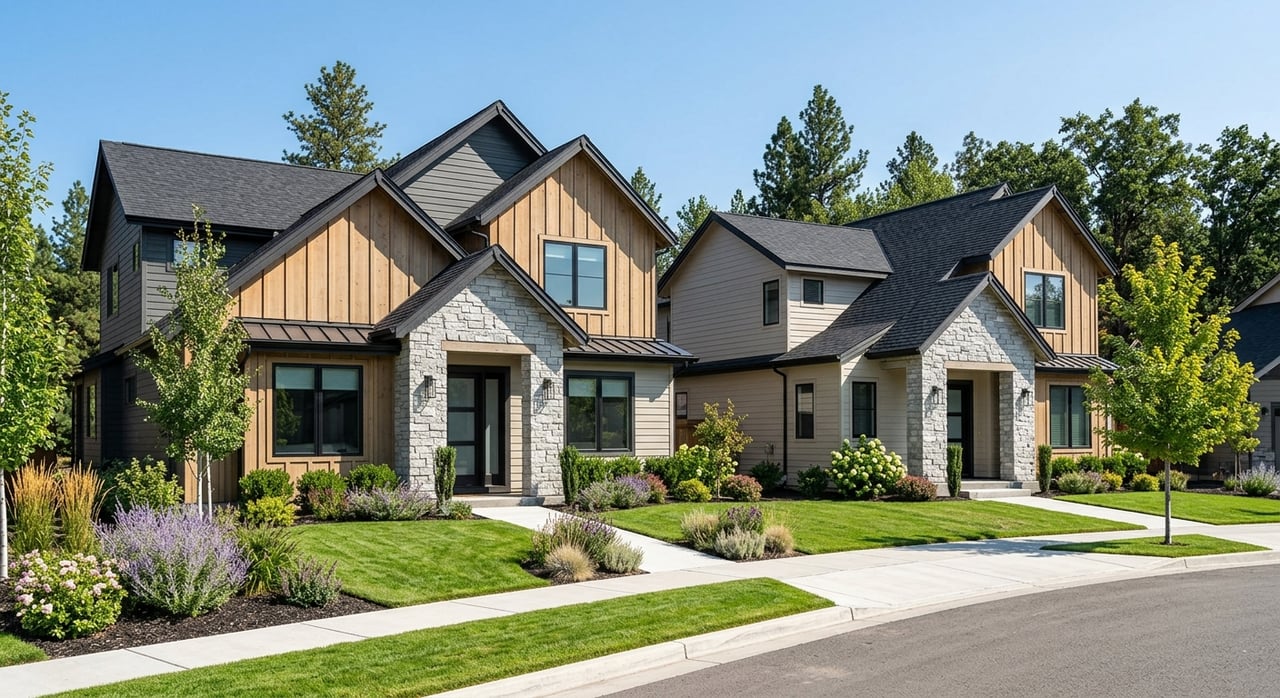
New construction made up more than half of March 2026 sales in Canyon County. If you are open to newer subdivisions, that could widen your options, especially when resale inventory feels limited.
Do Not Skip the Inspection
For first-time buyers, the inspection is one of the most important protections in the transaction. CFPB and HUD both stress that the home inspector works for the buyer, and the inspection should happen before you are finally committed to the purchase.
That is different from the appraisal. The appraisal is a value check for the lender, not a replacement for a professional home inspection.
Why Inspection Contingencies Matter
An inspection can uncover repair issues, safety concerns, or systems nearing the end of their useful life. Even when a home looks move-in ready, an inspection gives you a clearer understanding of what you are buying.
For a first-time buyer, that can affect both your comfort level and your near-term budget. If repairs are needed, you may be able to negotiate or decide whether the home still makes sense for you.
Plan for Closing Costs and Final Cash Needed
Once your offer is accepted, the process becomes more detailed. CFPB says the Closing Disclosure should arrive at least three days before closing.
This document summarizes your loan terms, projected payments, closing costs, property taxes, homeowner’s insurance, and cash to close. Reviewing it carefully can help you avoid surprises in the final stretch.
What Happens Near Closing
As closing approaches, you will typically be tracking a few key steps:
- Final loan review
- Appraisal completion
- Home inspection and any negotiations
- Title and closing coordination
- Review of the Closing Disclosure
- Final cash-to-close planning
- Final walkthrough before closing, if applicable
This is also a good time to confirm how much money you will need available and when it must be delivered.
Remember the Property Tax Exemption
If the home will be your primary residence, Idaho’s homeowner’s exemption may reduce the taxable value of the property. According to the Idaho State Tax Commission, the exemption can reduce the taxable value of a primary residence and up to one acre of land by half, up to a maximum exemption of $125,000.
In Canyon County, the application is not automatic. The county says you may file after purchase, move-in, and primary-residence occupancy. For a first-time buyer, this is an easy item to miss, so it is worth adding to your post-closing checklist.
Set Up Utilities Before Move-In
Your monthly housing cost does not stop at the loan payment. After closing, you will need to set up your Nampa utility account and budget for water, sewer, trash, and related fees.
This is a small step, but it matters when you are building a realistic first-year budget. Planning ahead can make move-in week feel much smoother.
Your First Month in Nampa
Once the paperwork is done, you get to settle into your new routine. One of the benefits of buying in Nampa is having access to a growing city with established amenities and year-round recreation.
That might mean exploring local parks, walking some of the city’s pathways, or spending time at Lake Lowell Park. For many first-time buyers, that balance of homeownership, outdoor access, and connection to the broader Boise-Nampa area is a big part of Nampa’s appeal.
Buying your first home is a major step, and it helps to have steady guidance along the way. If you are exploring your options in Nampa or the surrounding area, Valley Properties Group is here to help you navigate the process with practical Idaho insight.
FAQs
What is the first step for a first-time homebuyer in Nampa, Idaho?
- Start by reviewing your budget, credit, monthly expenses, and savings so you know what payment range feels realistic before you begin touring homes.
How competitive is the Nampa area housing market for first-time buyers?
- Recent Canyon County data showed 2.4 months of housing supply in March 2026, which suggests buyers may still face competition on well-priced homes.
Can a first-time buyer in Nampa get down payment assistance?
- Idaho Housing says eligible buyers may access loan and assistance programs through an Idaho Housing-approved lender, and homebuyer education is required for down payment and closing-cost assistance.
What costs should Nampa first-time buyers budget beyond the mortgage?
- In addition to principal and interest, you should plan for property taxes, homeowner’s insurance, utilities, closing costs, and ongoing maintenance.
Does a home appraisal replace a home inspection in Nampa?
- No. The appraisal is for the lender’s value review, while the home inspection is your opportunity to understand the property’s condition before you are fully committed.
How does the Idaho homeowner’s exemption work for a Nampa primary residence?
- If the home is your primary residence, the exemption may reduce the taxable value of the home and up to one acre of land by half, up to a maximum exemption of $125,000, but you must apply for it after purchase and occupancy.