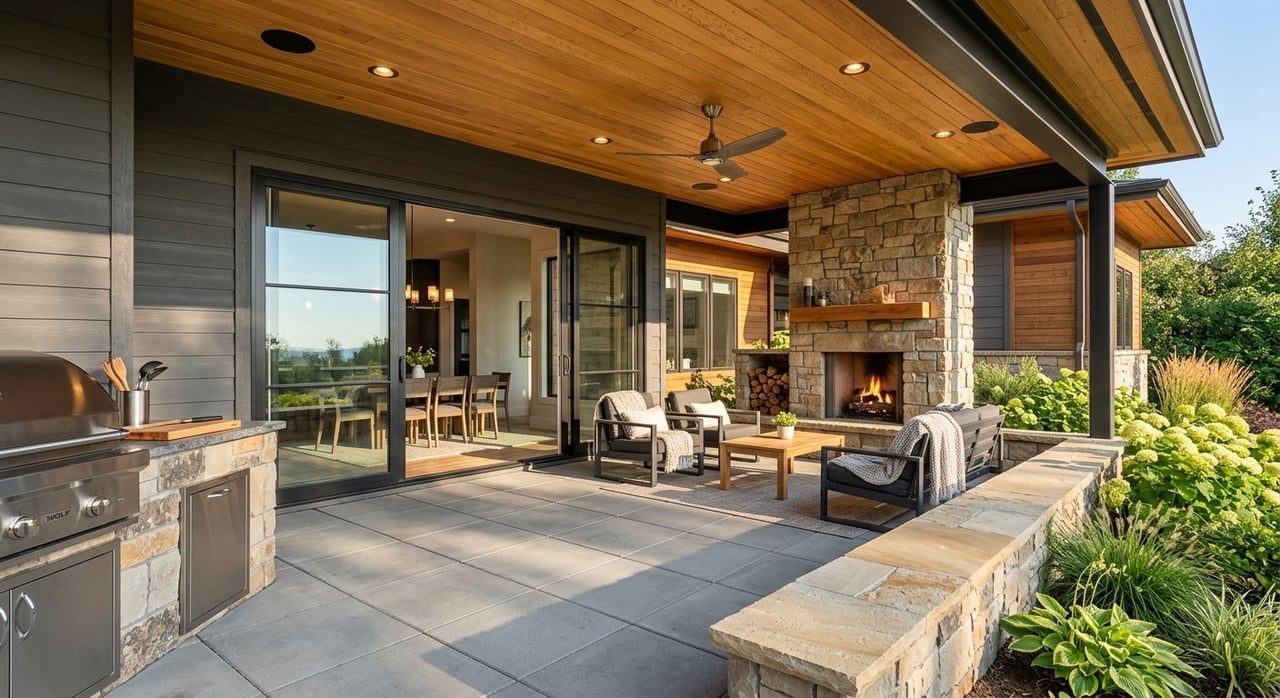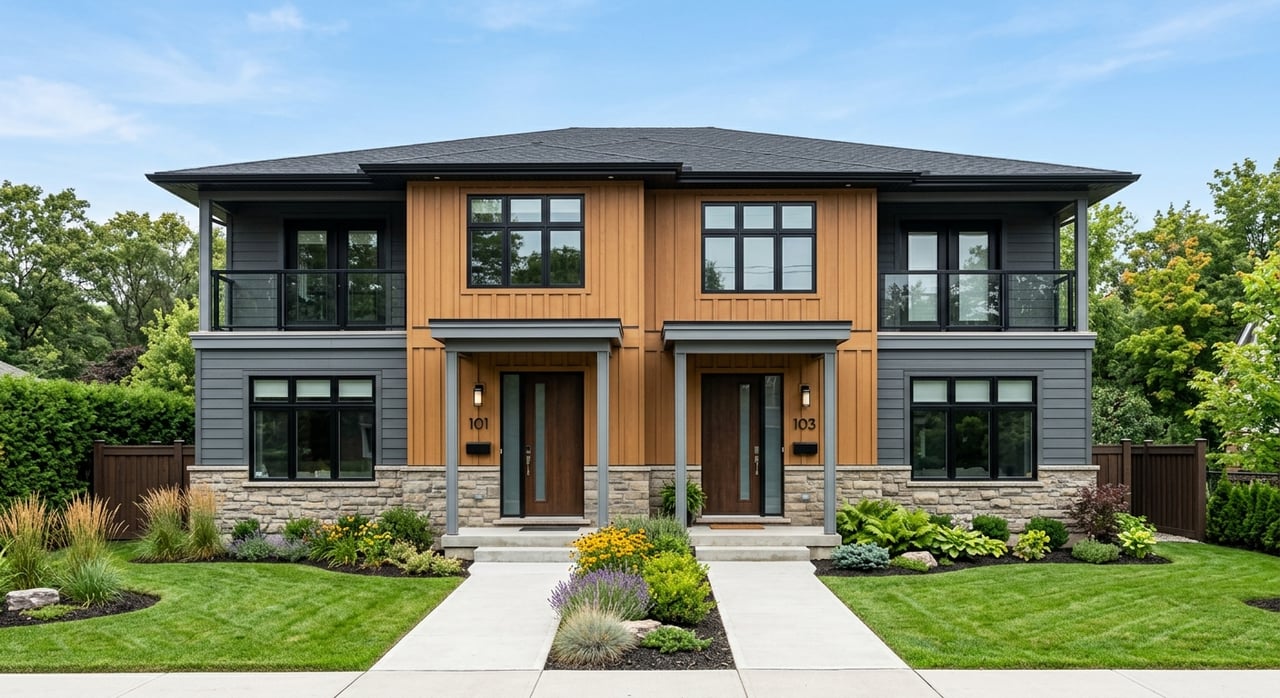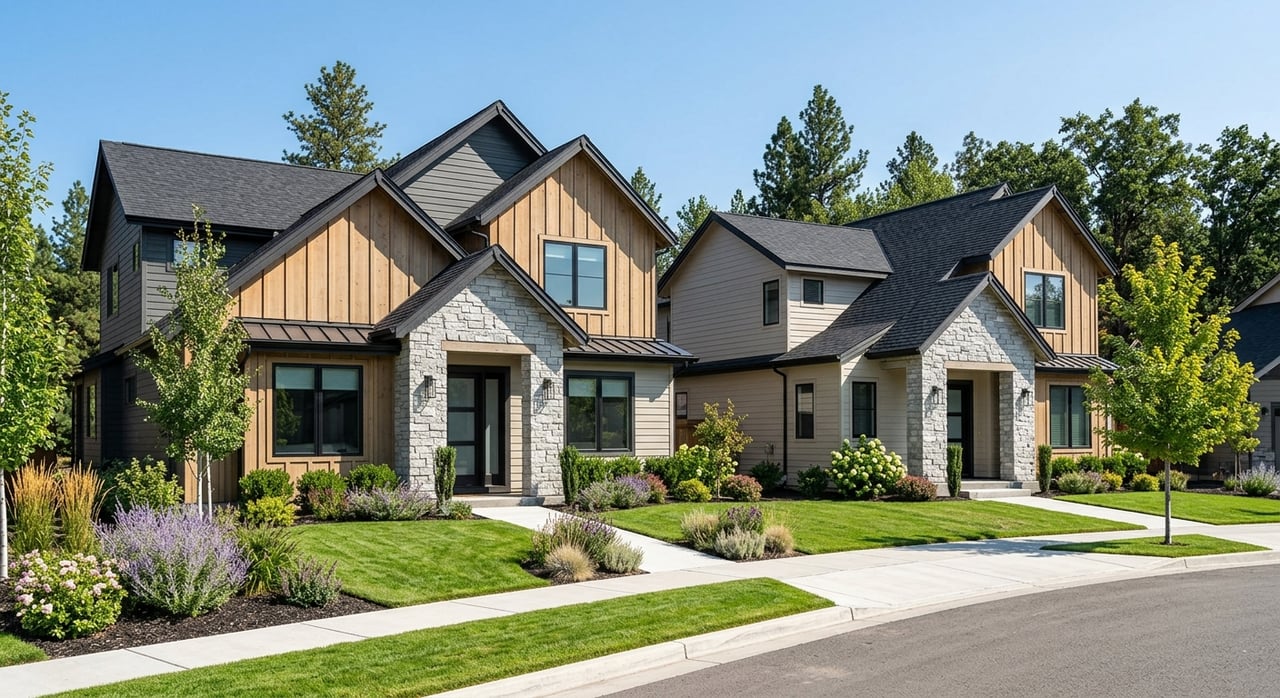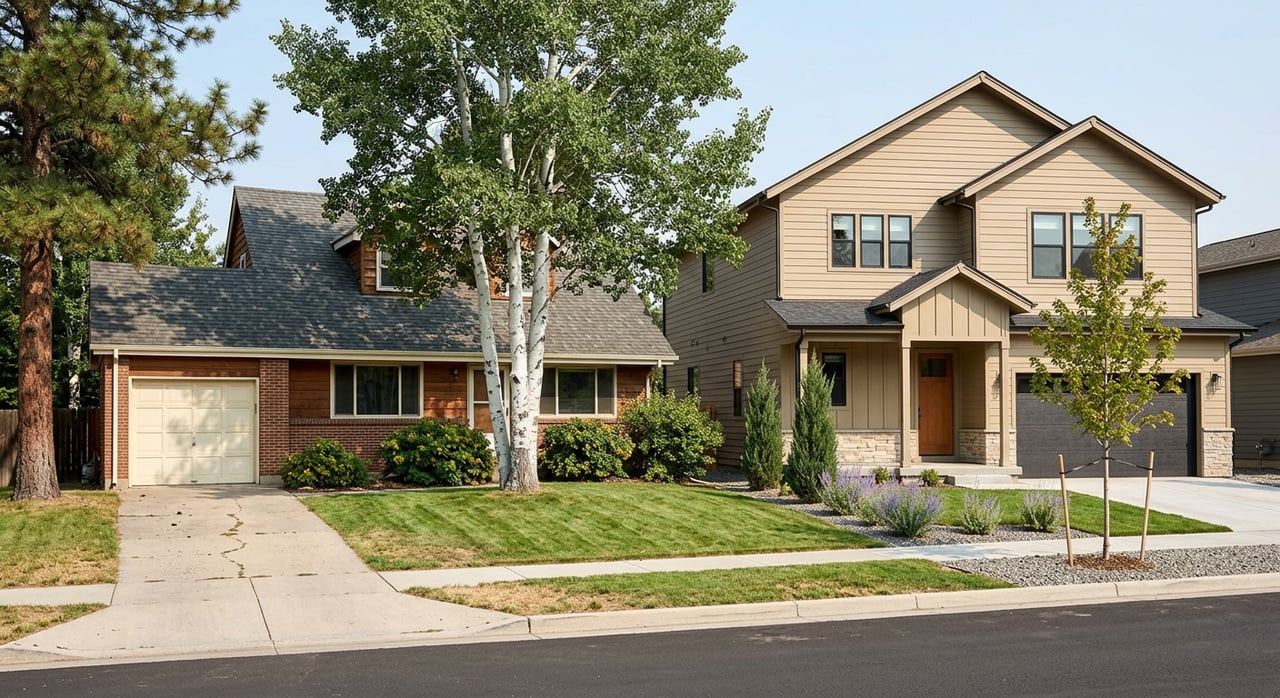
Trying to choose between a brand-new Meridian home and an established neighborhood? You are not alone. Each path offers a different mix of cost, maintenance, lifestyle, and long-term value. This guide gives you a clear, side-by-side way to compare options in Meridian so you can buy with confidence. Let’s dive in.
Why Meridian keeps growing
Meridian continues to expand and plan for growth. The city outlines where and how it intends to develop in the Meridian Comprehensive Plan. It highlights major corridors, such as the Ten Mile area, and commercial nodes that shape where builders add new communities and where older neighborhoods remain stable. Reviewing these plans helps you anticipate nearby projects and traffic patterns before you buy.
New construction in Meridian
What you can expect
You will find an active pipeline of master-planned communities and new subdivisions across Meridian. Large regional builders, such as CBH Homes’ Meridian communities like Tanner Creek, continue to release new phases. Newer neighborhoods often feature smaller, lower-maintenance lots near growing retail and school corridors, with modern layouts and energy-efficient systems.
HOAs and amenities
Most new subdivisions include a homeowners association that maintains shared spaces, pathways, and sometimes front-yard care. National data show that HOAs are common in new single-family construction. Fee levels vary by neighborhood and amenities, so confirm the latest dues, services, and rules directly with the HOA.
Warranties and first-year costs
A key benefit of new construction is the warranty package. Many builders follow a “1-2-10” pattern: one year on workmanship, two on systems, and a 10-year structural warranty. Always review the common 1-2-10 builder warranty structure for what is covered, how claims work, and whether the warranty transfers to a future owner.
Incentives and financing
Builders may offer rate buydowns, closing-cost help, or finish allowances. These incentives can lower your monthly payment, especially when paired with temporary rate programs. As you compare, weigh builders offering temporary low-rate buy downs against the overall price and long-term loan terms. Recent community announcements, such as new Meridian openings highlighted in this press release, reflect the steady supply of new homes and the potential for incentives.
Established neighborhoods in Meridian
What you can expect
Established areas often feature mature landscaping, larger lots, and settled street networks. Many buyers value the yard space, tree canopy, and wider setbacks found in older neighborhoods. You may also see a mix of home styles and a pace of change that feels more stable.
Ownership costs to plan for
Older homes can come with near-term updates. Roofs, HVAC, windows, and electrical systems may need attention sooner than in a new build. A thorough inspection and a realistic maintenance budget help you compare a lower list price to the true cost of ownership in the first few years.
HOA landscape in older areas
Many established subdivisions have low or no HOA involvement, while some planned pockets still maintain amenities and irrigation. Regardless of age, always read the CC&Rs and meeting minutes. Local reporting, such as a recent HOA enforcement dispute, is a reminder to check rules on parking, rentals, and exterior changes before you commit.
Compare what matters most to you
Price and payment math
- New construction often lists higher but may reduce early maintenance costs and include warranties. Builder concessions can improve payments, but consider appraisal outcomes and what happens when temporary rates adjust.
- Resale homes are sometimes priced lower per square foot. Budget for inspection findings, repairs, and updates to get a fair apples-to-apples comparison.
Lot size and outdoor life
- If you want larger yards, RV parking, or space for a shop, you are more likely to find it in established neighborhoods or estate-lot areas on the city’s edges.
- Many new subdivisions trade lot size for location near retail and schools, along with lower yard work.
HOA rules, fees, and transparency
- Expect mandatory HOAs in most new master-planned communities. Review the full HOA package, including budgets and reserve studies.
- Idaho clarified HOA governance with Idaho’s Homeowner’s Association Act. It addresses meetings, disclosures, and limits on certain enforcement actions. This helps you evaluate how a community is run.
Commute and future growth
- The city’s plans shape traffic, retail, and nearby development. Check the Meridian Comprehensive Plan and current plats to see what may be built next to your target property.
- Proximity to major corridors can improve access, but construction phases and rising traffic may affect daily life.
Schools and family needs
- Meridian is primarily served by the West Ada School District. Confirm current boundaries and bus routes for any address you are considering.
- School assignment can be a factor in resale appeal, so verify details rather than relying on map pins or older references.
Resale and long-term value
- The strongest drivers over time are location, lot size and orientation, and neighborhood amenities. Interior finishes help, but location usually carries more weight.
- For a deeper perspective on value, see how location influences value, then pair that insight with live local comps from your agent.
Meridian buyer checklist
Use this quick process for each property you tour:
- Review the HOA package. Request CC&Rs, bylaws, budgets, reserve studies, and recent minutes. Idaho’s updated rules in Idaho’s Homeowner’s Association Act guide disclosures and governance.
- Confirm the written builder warranty. Ask about coverage, claim steps, transferability, and any insurance-backed program. Start with the common 1-2-10 builder warranty structure.
- Check plats and nearby plans. Verify lot lines, easements, and any recorded or pending developments through the Meridian Comprehensive Plan.
- Price with live comps. For new homes, compare builder inventory and incentives. For resale, look at recent neighborhood sales. Ask your agent for current MLS data.
- Verify school assignment. Contact the West Ada School District to confirm boundary details and services for the address.
- Inspect and budget. For resale, schedule a full inspection and bids for near-term work. For new builds, document punch-list items and clarify warranty fixes.
Which option fits your goals
Choose new construction if you want modern systems, predictable first-year costs, and community amenities, and if a smaller lot near retail and schools fits your routine. The warranty and lower maintenance can be valuable during the first few years of ownership.
Choose an established neighborhood if you value larger lots, mature landscaping, and a settled street network. Plan for updates, and weigh those costs against the lifestyle benefits and potential long-term resale appeal of more space.
When you are ready to compare specific addresses, reach out to a local advisor who will walk you through HOA documents, planning maps, and real-time comps. For thoughtful, place-based guidance in Meridian and the Treasure Valley, connect with Valley Properties Group.
FAQs
What defines new construction in Meridian?
- Newly built homes from active regional builders, often in master-planned communities with modern layouts, energy-efficient systems, and HOA-managed common areas.
How do HOAs typically work in Meridian’s new communities?
- Most new neighborhoods have mandatory HOAs that maintain shared spaces and enforce community standards, with fees and rules that vary by subdivision.
Are builder rate buydowns and incentives worth it?
- They can lower your monthly payment, but you should compare the full loan terms, potential appraisal outcomes, and the long-run cost once temporary incentives expire.
Do established Meridian neighborhoods usually have larger lots?
- Many do, which can support yard space, RV parking, or accessory buildings, though this often comes with more maintenance and higher landscaping costs.
How can I check school boundaries for a Meridian address?
- Contact the local school district to confirm current boundaries and services for the property before you make an offer.
How do I find out about future development near a property?
- Review city planning documents, recorded plats, and pending applications, and ask your agent to help you research nearby projects and transportation corridors.