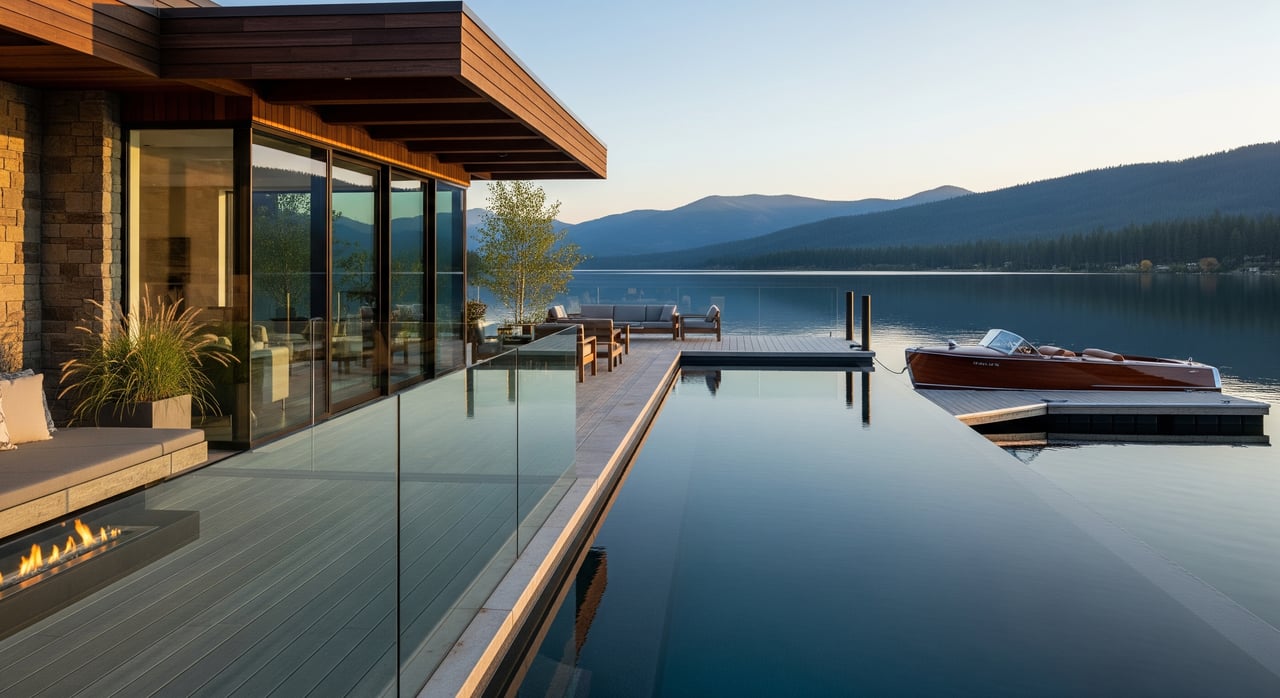
Dreaming of coffee on the deck with glassy water at sunrise, then paddleboarding before lunch? If Lake Cascade is on your radar, you’re not alone. Buying on a mountain reservoir is different from buying on a natural lake, and a little local know-how goes a long way. In this guide, you’ll learn how the seasons, water levels, access, and rules work around Lake Cascade, plus what to check on tours and who to call for straight answers. Let’s dive in.
Lake Cascade at a glance
Lake Cascade is a man-made reservoir on the North Fork of the Payette River. It supports both recreation and regional water management, so water levels and some shoreline decisions follow reservoir operations. The town of Cascade is the main service hub for groceries, fuel, dining, and basic care, with county-level records and permitting handled in Valley County.
If you are evaluating waterfront or lake-access homes, know which agencies influence daily life on the lake. The reservoir operator provides historic and seasonal water level information, the state park manages ramps and day-use areas, and state wildlife officials set fishing rules. Local zoning, septic, and short-term rental regulations are handled at the county level.
Seasons on the water
Summer: peak fun, peak traffic
Warm months bring powerboating, wake sports, personal watercraft, and plenty of paddle time. Public ramps and park units see weekend lines, and marina slip demand is highest. If privacy and easy parking matter to you, visit on a sunny Saturday and a quiet weekday to compare.
Fall: quiet water, great visibility
Expect fewer services at marinas and more calm days. With leaves down, you can see shoreline conditions, rooflines, and vegetation more clearly. Fall is a smart time to inspect docks, riprap, and drainage.
Winter: ice and snow logistics
Ice fishing, snowmobiling, cross-country skiing, and snowshoeing are common. Some services close until spring. Plan for driveway plowing, road clearing, and vehicle winterization. Ice conditions vary by year, so always check local advisories before stepping out.
Year-round considerations
Fishing runs all year within state rules. Boats and gear are subject to aquatic invasive species checks. Noise and boat traffic rise in peak season, then drop off in shoulder seasons. If you want a slip, ask early. Waiting lists are common at popular marinas.
What fluctuating water levels mean
Lake Cascade’s levels change with irrigation releases, snowmelt, and dam operations. This affects dock placement, usable shoreline, beach area, and even your view at different times of year. Before you buy, confirm the surveyed property line and whether any federal project easements or public rights apply along the shore. For historical levels and project information, review the U.S. Bureau of Reclamation.
Docks, slips, and access rights
- Dock permits are often required. Depending on location, approvals may involve county and state, and sometimes federal authorities.
- Marina slips operate on seasonal or annual terms. Services like fuel and maintenance are seasonal and may be limited.
- Verify whether you have deeded dock or moorage rights, shared HOA access, or rely on first-come availability at a marina. Ask for permit history and written agreements.
Utilities and infrastructure
- Septic and well: Many lake properties are on individual systems. Ask for septic inspection records, pumping schedule, and well water test results. Note where the drainfield sits relative to the shoreline.
- Power and connectivity: Rural broadband can vary. Confirm current internet options, speeds, and cell coverage. Satellite or fixed wireless may be the fallback in some areas.
- Roads and snow: Check if your driveway and access roads are county maintained or private. For private roads, confirm HOA dues and snow removal responsibilities.
- Roof and snow load: Heavy snow is part of life here. Inspect roof design, age, and any history of ice dams or structural reinforcement.
Risk, insurance, and safety
- Flood risk: Reservoir shore properties can still face high water events. Check your flood-zone designation through the FEMA Flood Map Service Center and review county records. Ask your lender and insurer what coverage they require.
- Dam safety and emergency plans: Understand local evacuation routes and notification systems. The Idaho Office of Emergency Management shares preparedness resources and planning guidance.
- Wildfire: Wooded shorelines can carry wildfire risk. Assess defensible space, vent screening, ember resistance, and local fire district capacity. Insurance terms can vary based on risk.
Taxes, rentals, and local rules
- Property taxes and assessments: Review current taxes, recent assessments, and any special district fees with the Valley County Assessor.
- Short-term rentals: If you plan to rent, confirm permitting, occupancy limits, transient lodging tax requirements, and HOA rules through Valley County Planning and Zoning. Start at the Valley County website to find the right department.
Parks, ramps, and fishing basics
Public ramps, day-use areas, and campgrounds around Lake Cascade are operated as part of the state park system. For ramp locations, campground info, and seasonal operations, consult the Idaho Department of Parks and Recreation.
Anglers should confirm seasons, limits, and license requirements with the Idaho Department of Fish and Game. Boats and gear are subject to inspection, and “Clean, Drain, Dry” practices help protect the lake from invasive species.
Your quick touring checklist
Save these high-priority checks for any showing:
- Confirm property boundaries with a recent survey and walk the corners.
- Verify how you access the water: deeded, HOA, or public path.
- Inspect any existing dock for structural wear and anchoring. Ask for permits.
- Review septic inspection records and well water test results.
- Test cell coverage and confirm internet options and speeds.
- Check driveway grade, turnaround space, and parking for trailers or guests.
- Visit on a weekend and a weekday to compare noise and traffic.
- Review HOA rules, CC&Rs, setbacks, and short-term rental policies.
Seasonal touring lens
- Spring: Look for shoreline erosion, drainage patterns, and high-water marks. Ask how high the lake ran in recent years.
- Summer: Visit ramps and marinas during peak hours to gauge lines and parking. Confirm garbage pickup and lawn care options.
- Fall: Use leaf-off views to assess rooflines, foundations, and shoreline structures. Test heating systems and insulation.
- Winter: Confirm road clearing, plow contracts, and snow load on roofs. Ask about vehicle winterization and fuel access.
Professional checks before you buy
- Full home inspection by an inspector familiar with lake properties.
- Septic system inspection and pumping records review.
- Dock or boathouse structural inspection.
- Well test with yield and potability reporting.
- Topographic review for drainage and flood elevation relative to structures.
- Survey and title review for easements and riparian rights.
- Wildfire defensible space and fuel-load assessment where applicable.
Your next steps
- Review historic lake levels and reservoir operations with the U.S. Bureau of Reclamation.
- Check ramps, park units, and seasonal closures through the Idaho Department of Parks and Recreation.
- Confirm fishing rules and invasive species protocols with the Idaho Department of Fish and Game.
- Verify tax records, permit history, and short-term rental rules with Valley County.
Want early notice when new lakefront or lake-access homes hit the market, plus guidance on dock permits, septic records, or slip availability before you tour? Get early access to Valley County listings with the local team at Valley Properties Group.
FAQs
What makes buying on Lake Cascade different from a natural lake?
- Lake Cascade is a managed reservoir, so water levels fluctuate with dam operations, runoff, and irrigation releases, which affects docks, shore access, and views.
How busy does Lake Cascade get in summer, and how should I assess it?
- Expect peak traffic on weekends at ramps and marinas. Tour on a busy Saturday and a weekday to compare noise, parking, and privacy.
Do I need a permit for a private dock on Lake Cascade?
- In many areas, yes. Dock permitting can involve county and state approvals, and sometimes federal coordination. Always verify permits and ownership before closing.
How do I check flood risk for a lakefront property in Cascade?
- Start with the FEMA Flood Map Service Center, then confirm details with Valley County records and your lender or insurer.
What should I know about septic and wells near the shoreline?
- Ask for septic inspection and pumping records, know where the drainfield is, and test well water for potability and yield. Keep systems clear of the shoreline and protected from runoff.
Are short-term rentals allowed around Lake Cascade?
- Rules vary by property and jurisdiction. Confirm permits, occupancy limits, and taxes with Valley County Planning and Zoning and review any HOA restrictions.
Where can I find official information on ramps and park units?
- Check the Idaho Department of Parks and Recreation for Lake Cascade State Park operations, ramp locations, and seasonal closures.
Who regulates fishing and boat inspections on Lake Cascade?
- The Idaho Department of Fish and Game manages fishing regulations and supports invasive species prevention, including inspection protocols for boats and gear.