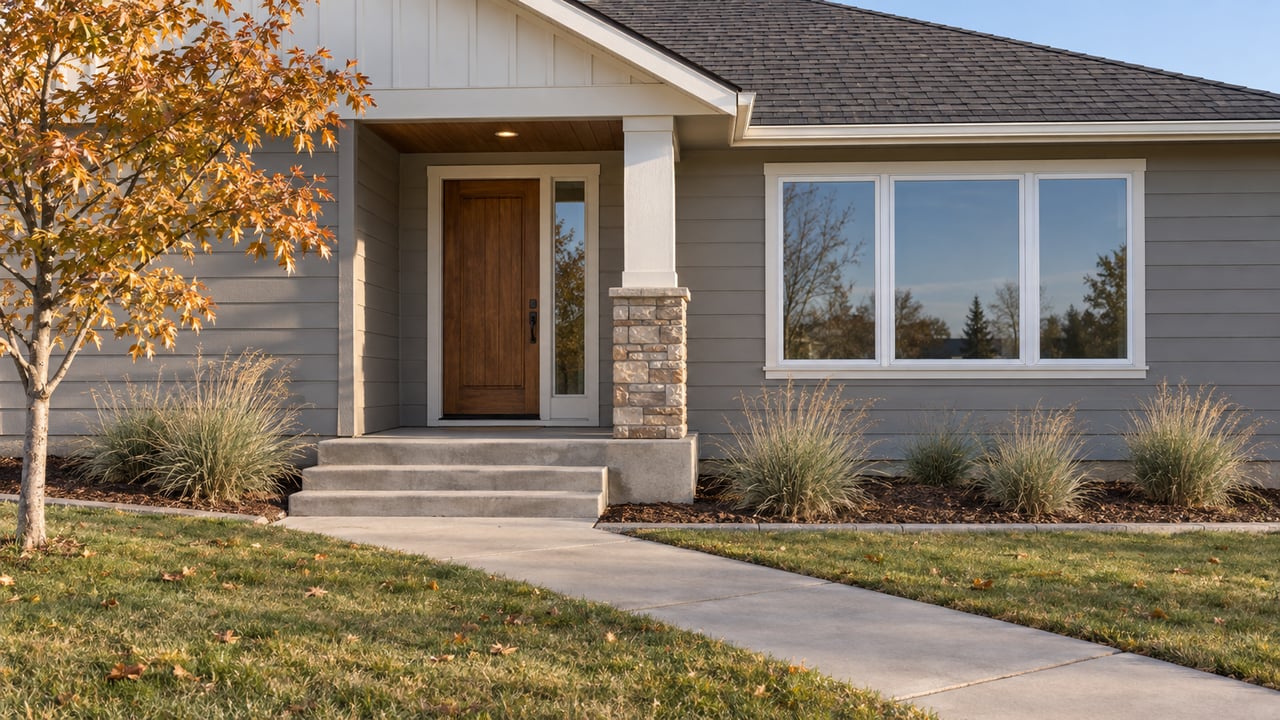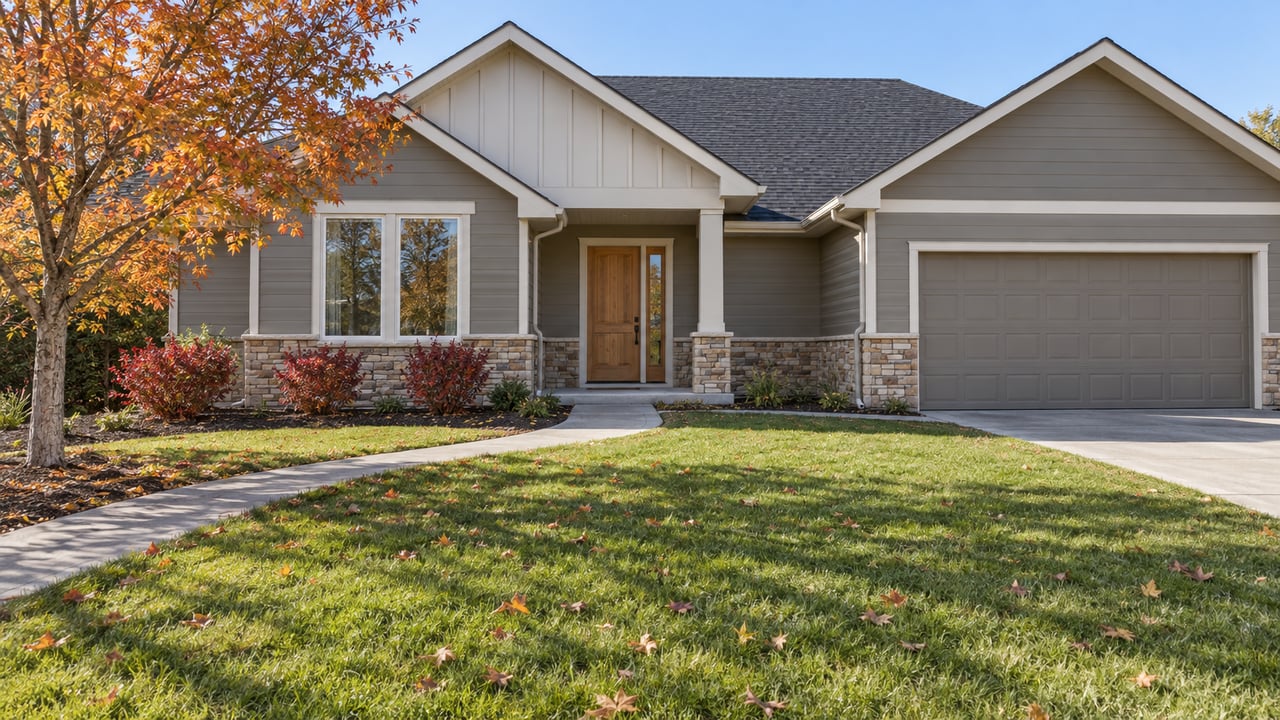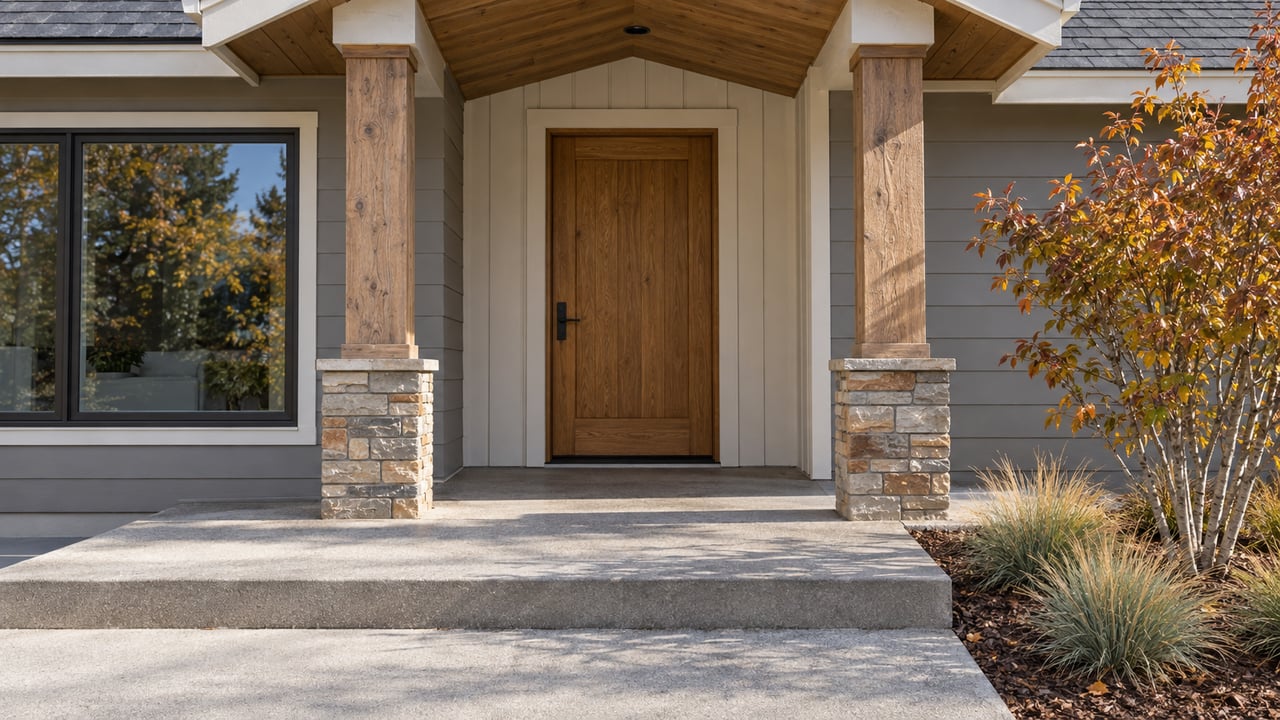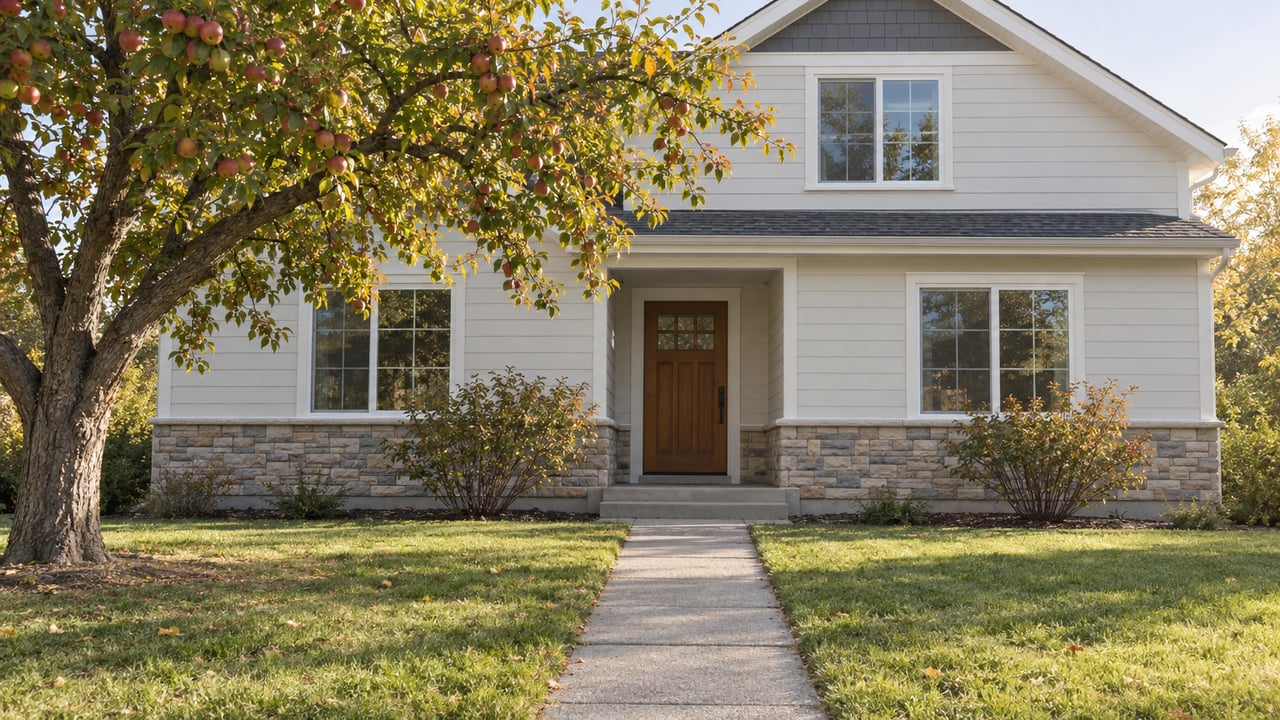
If you are torn between a quiet cabin in the trees and a home closer to Garden Valley’s service hub, you are not alone. This is one of the biggest choices buyers face here because the lifestyle difference is real, and so are the ownership details. When you understand how access, lot size, upkeep, and resale can affect your day-to-day experience, you can make a more confident move. Let’s dive in.
What “In-Town” Means in Garden Valley
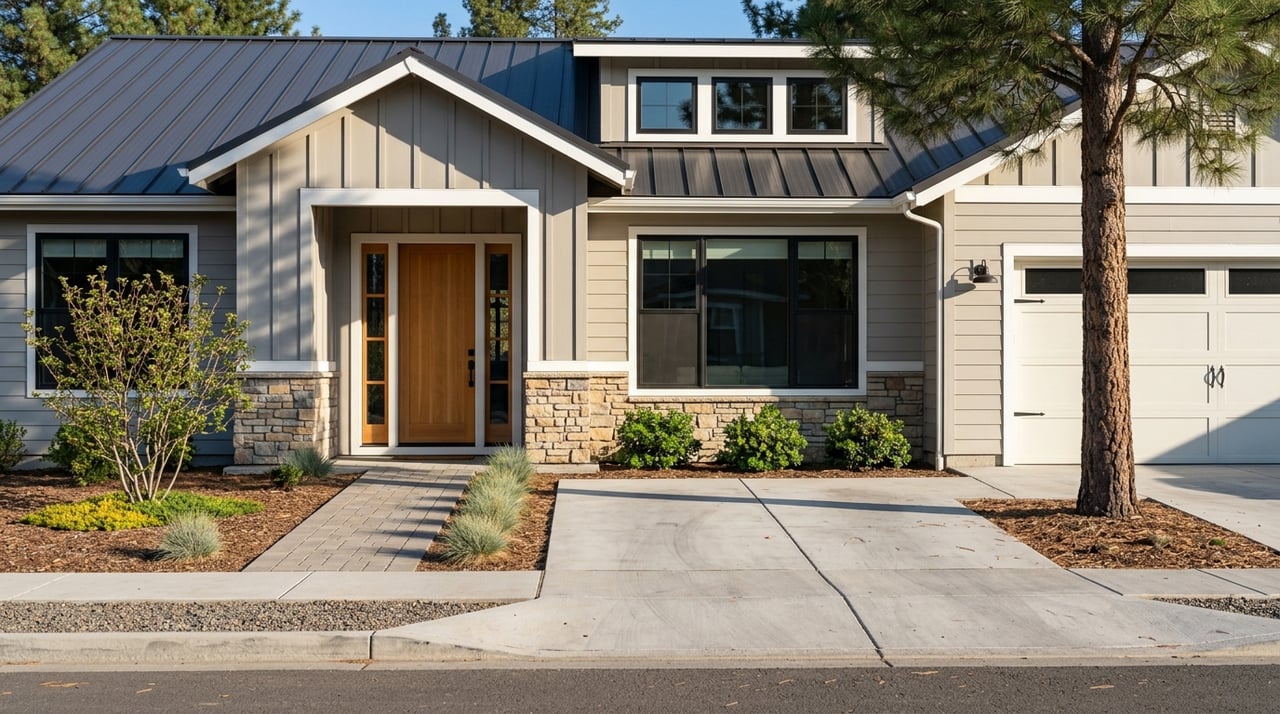
In Garden Valley, “in-town” does not mean a dense downtown setting. Boise County describes Crouch as the commercial district for Garden Valley, so in-town living usually means being closer to a small cluster of services rather than a city-style core.
That difference matters when you compare options. If you want easier access to basic errands and a simpler day-to-day setup, a home near the service area may feel more practical. If you want separation, privacy, and a stronger recreational feel, a cabin outside that area may be a better fit.
Start With Your Lifestyle
The best choice often starts with how you plan to use the property. A cabin and an in-town home can both work well in Garden Valley, but they support different routines.
If you picture weekend escapes, more space around you, and a forest setting, a cabin may line up with your goals. If you want a home that feels easier to manage year-round, an in-town property may be the better match.
A cabin may fit you if
- You value privacy and separation from neighbors
- You want acreage or a more recreational setting
- You are comfortable with more outdoor maintenance
- You can plan ahead for seasonal access and winter travel
An in-town home may fit you if
- You want to stay closer to services in the Crouch area
- You prefer a smaller, more manageable lot
- You want simpler year-round access
- You care about easier resale for a future move
Compare Lot Size and Property Setup
One of the clearest differences between cabins and in-town homes in Garden Valley is lot size. Recent listing samples show smaller service-adjacent properties on parcels such as 0.33, 0.34, 0.46, 0.61, and 0.73 acres, while cabin and recreational parcels often stretch to 2.65, 4.13, 4.76, 7, 8.14, or even 13.91 acres.
Boise County’s land-use ordinance helps explain why. The county sets a 2-acre minimum lot or parcel size where approved central sewer and domestic water are not available, with smaller minimums allowed only where central water, central sewer, or both are approved.
That means a cabin property may offer more room, but it can also come with more land to manage. An in-town home may give you less outdoor work and a simpler setup, especially if you do not want acreage to become a second job.
Access Matters More Than Buyers Expect
In a mountain market, access is not a small detail. It can shape your daily convenience, your winter plans, and even how easily the property may appeal to future buyers.
Boise County requires legal access to a public road, but that does not always mean the road is county-maintained. The county defines a private road or street as access not dedicated to public use or maintained by Boise County, and it recognizes road-maintenance agreements for private roads.
For a cabin, you should look beyond whether a road exists. You also want to know who maintains it, whether there is a road-maintenance agreement, and whether winter plowing is part of the arrangement.
Questions to ask about access
- Is the home on a public road or a private road?
- Who handles maintenance?
- Is there a written road-maintenance agreement?
- Is snow plowing included or coordinated?
- Are there any permit-related access issues for future improvements?
Winter Upkeep Can Change the Experience
Winter is a major factor in Garden Valley ownership. NOAA climate normals for the Garden Valley station show 69.4 inches of annual snowfall, which is a strong reminder that access and snow management are part of the ownership equation.
A home closer to the service area may be easier to reach during winter weather. A cabin on a private or more remote road may offer the setting you want, but it can require more planning when conditions change.
Idaho transportation guidance advises drivers to check current road conditions, slow down, leave extra room, and watch for icy bridges and overpasses. Boise County also posts snow-removal maps and a winter sanding and snow-removal policy, which shows how seriously winter access is treated at the local level.
Utilities and Permits Can Be Simpler In Town
Another major difference is how straightforward the property setup may be. In-town homes are often simpler from a utility and permit standpoint, while cabins on forested or larger parcels can involve more moving parts.
For new construction in Boise County, a septic permit from Central District Health is required before a building permit can be issued. The county’s building application procedures also require driveway or approach documentation and defensible-space information on the site plan.
That does not mean a cabin is the wrong choice. It means you should go in with clear expectations if you are considering vacant land, a build project, or a property with a more complex site layout.
Land Stewardship Is Part of Cabin Ownership
A forested cabin can be rewarding, but it often comes with more routine stewardship. Boise County says landowners are responsible for controlling noxious weeds on their property, which adds another layer of ongoing care.
Seasonal fire restrictions also matter. Boise County’s burn notice prohibits open fires on private lands from July 1 through October 20, and Idaho Department of Lands permits are required for certain debris-burning activities from May 10 through October 20.
There is also the practical side of cleanup. Boise County operates a Garden Valley transfer station, so debris disposal can become part of normal property ownership, especially on larger or wooded parcels.
Resale May Be Easier With Less Friction
If resale is part of your thinking, Garden Valley’s current market gives useful context. Redfin reports a median sale price of $550,000 over the three months ending May 2026, with homes averaging 56 days on market and selling about 4% below list price on average.
This is not a market where every home moves fast. Redfin’s sold examples range from 22 days to 291 days on market, and multiple offers are rare, which suggests buyers have room to compare options carefully.
In that kind of environment, properties that feel easier to own may have an advantage. Based on the local market data and county rules, homes with year-round access, clear road-maintenance responsibility, manageable lot size, and a straightforward utility setup may create less friction for the next buyer.
A Simple Way to Decide
If you are still weighing both options, focus on the tradeoff between lifestyle and management. A cabin usually gives you more privacy, more land, and a stronger recreational feel, but it often asks more from you in upkeep, access planning, and site management.
An in-town home usually gives you easier routines, a more manageable parcel, and a simpler ownership experience. That can be especially appealing if you want a second home that feels easy to lock up and enjoy, or if you want flexibility for resale later.
Cabin Vs In-Town at a Glance
| Feature | Cabin | In-Town Home |
|---|---|---|
| Setting | More private, often forested | Closer to Crouch services |
| Lot size | Often larger acreage | Often smaller parcels |
| Access | May depend on private roads | Often simpler access |
| Winter planning | Usually more important | Often more straightforward |
| Upkeep | Higher land stewardship | Lower overall maintenance |
| Resale ease | Can vary more by setup | Often simpler for broad buyer appeal |
The Right Choice Depends on How You Want to Live
There is no universal winner between a Garden Valley cabin and an in-town home. The right fit depends on how often you will use the property, how much maintenance you want to take on, and whether privacy or convenience matters more to you.
If you want help sorting through access, lot size, resale potential, or ownership demands in Garden Valley, working with a local team can save you time and help you avoid surprises. To get early access to Valley County listings and practical guidance on cabins, homes, land, and second-home opportunities, connect with Valley Properties Group.
FAQs
What is the difference between a Garden Valley cabin and an in-town home?
- A Garden Valley cabin is usually more private and often sits on a larger, more recreational parcel, while an in-town home is typically closer to the Crouch service area and may be easier to manage year-round.
How much snow does Garden Valley get each year?
- NOAA climate normals for the Garden Valley station show 69.4 inches of annual snowfall, which is why winter access and snow removal are important when choosing a property.
Are private roads common for Garden Valley cabin properties?
- Some cabin properties may use private roads, and Boise County defines those as roads not dedicated to public use or maintained by the county, so you should ask who maintains the road and whether there is a maintenance agreement.
Are lot sizes usually larger for cabins in Garden Valley?
- Often, yes. Recent listing samples show smaller service-adjacent parcels under an acre, while cabin and recreational properties are frequently offered on larger acreage.
Is Garden Valley a buyer’s market?
- Realtor.com classifies Boise County as a buyer’s market in March 2026, and Redfin reports homes in Garden Valley average 56 days on market with multiple offers being rare.
What should I ask before buying a cabin in Garden Valley?
- Ask about road access, winter plowing, road-maintenance responsibility, lot size, utility setup, septic requirements if you plan to build, and the amount of ongoing land stewardship the property may need.